Please call-in Upper Burdekin wind farm
37 Submissions to date
We request Queensland Premier Crisafulli, Deputy Premier Jarrod Bleijie and the Queensland State Government to now call-in Australia’s most catastrophic wind farm, the Upper Burdekin wind farm.
There was no proper community consultation for Upper Burdekin wind farm. After receiving well over 300 submissions against the wind farm, legitimate concerns regarding biodiversity and tourism impacts were dismissed by the proponent.
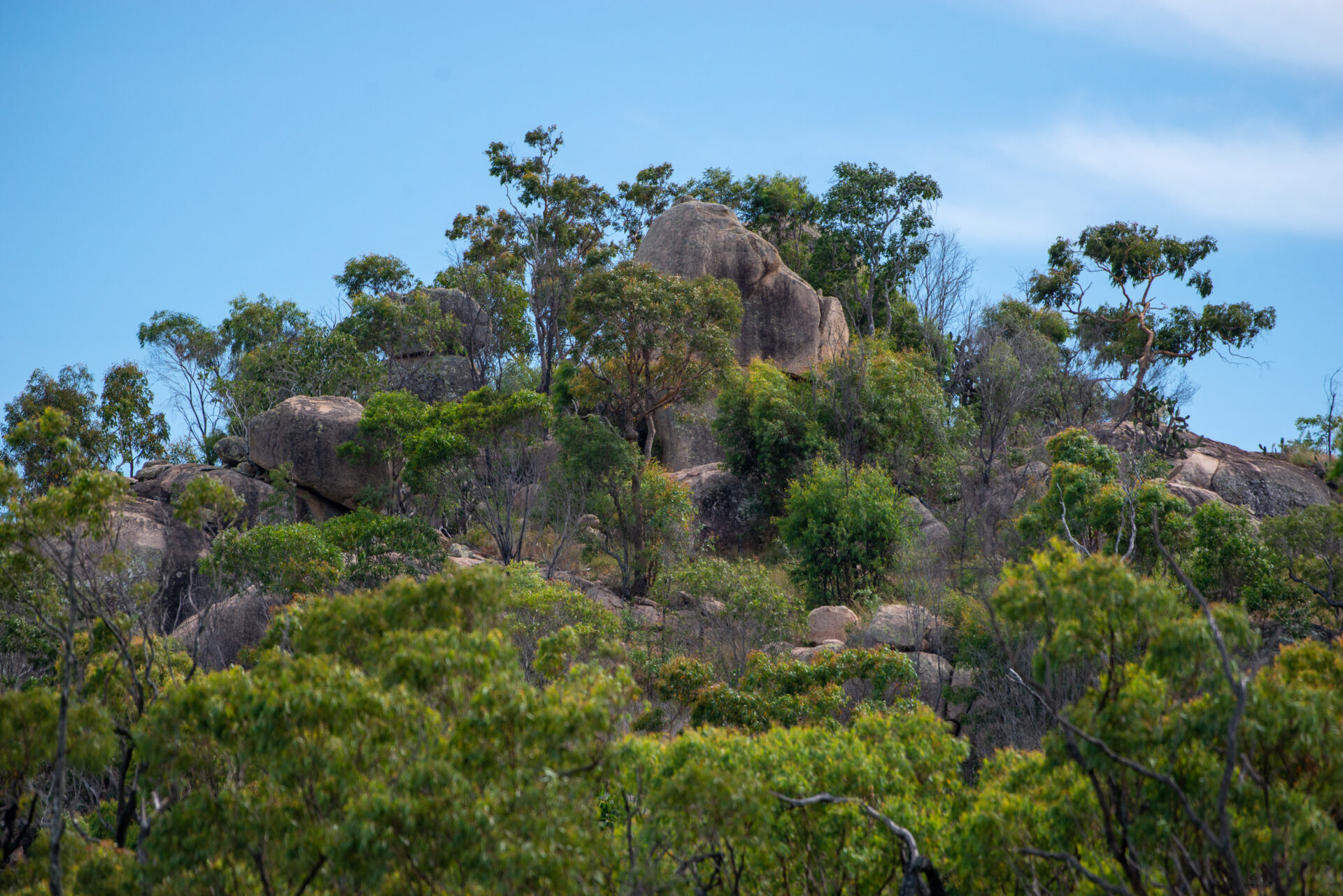
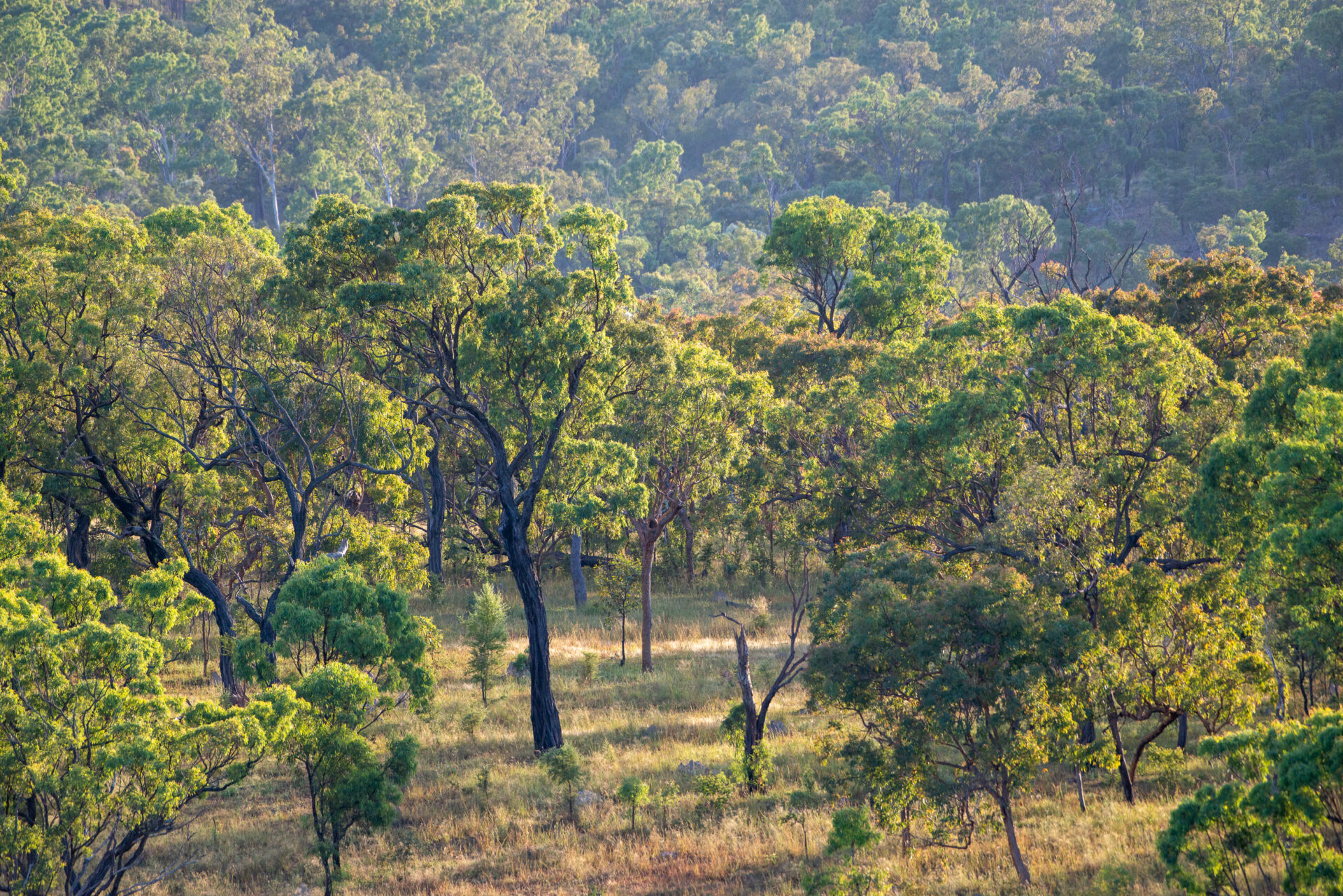
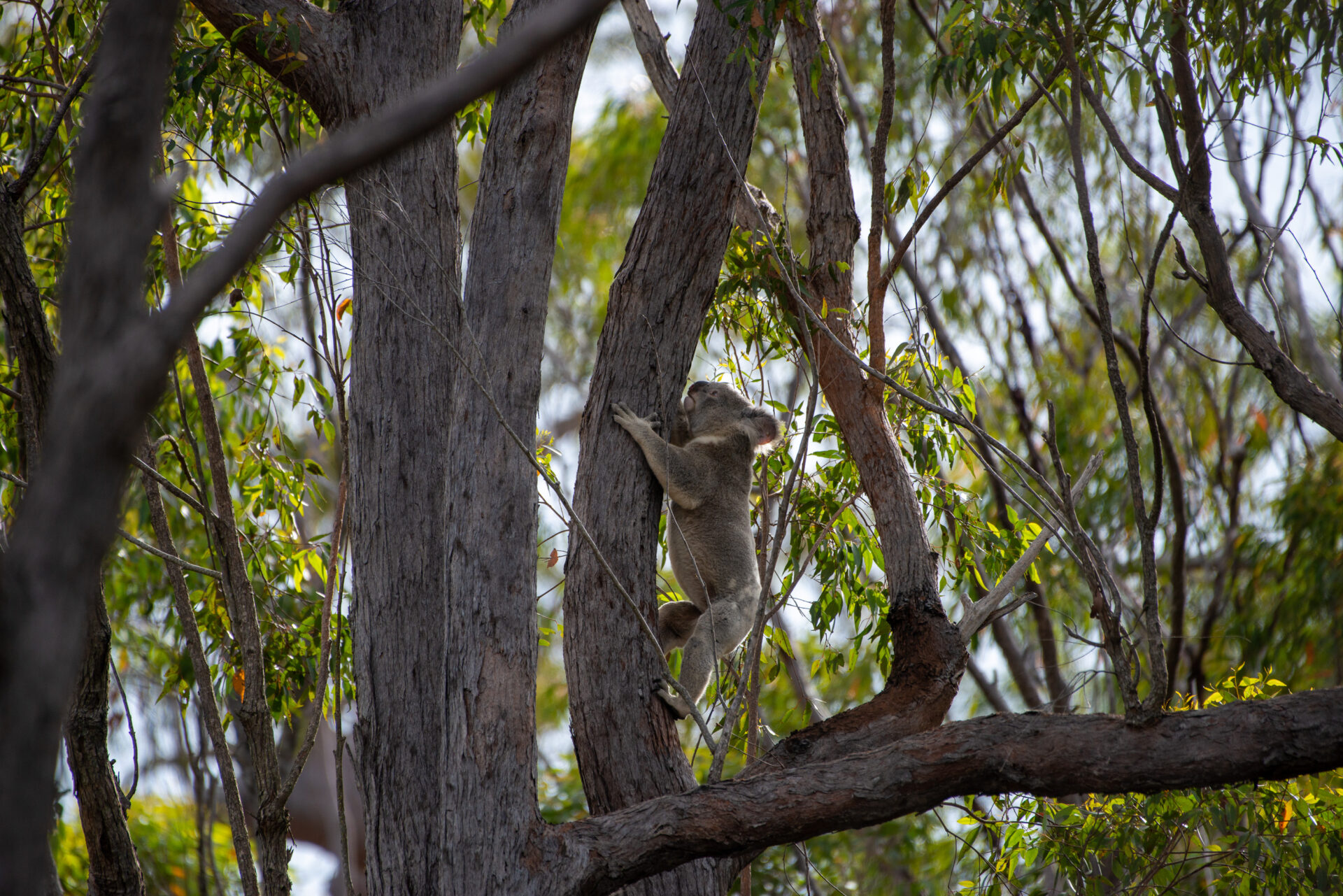
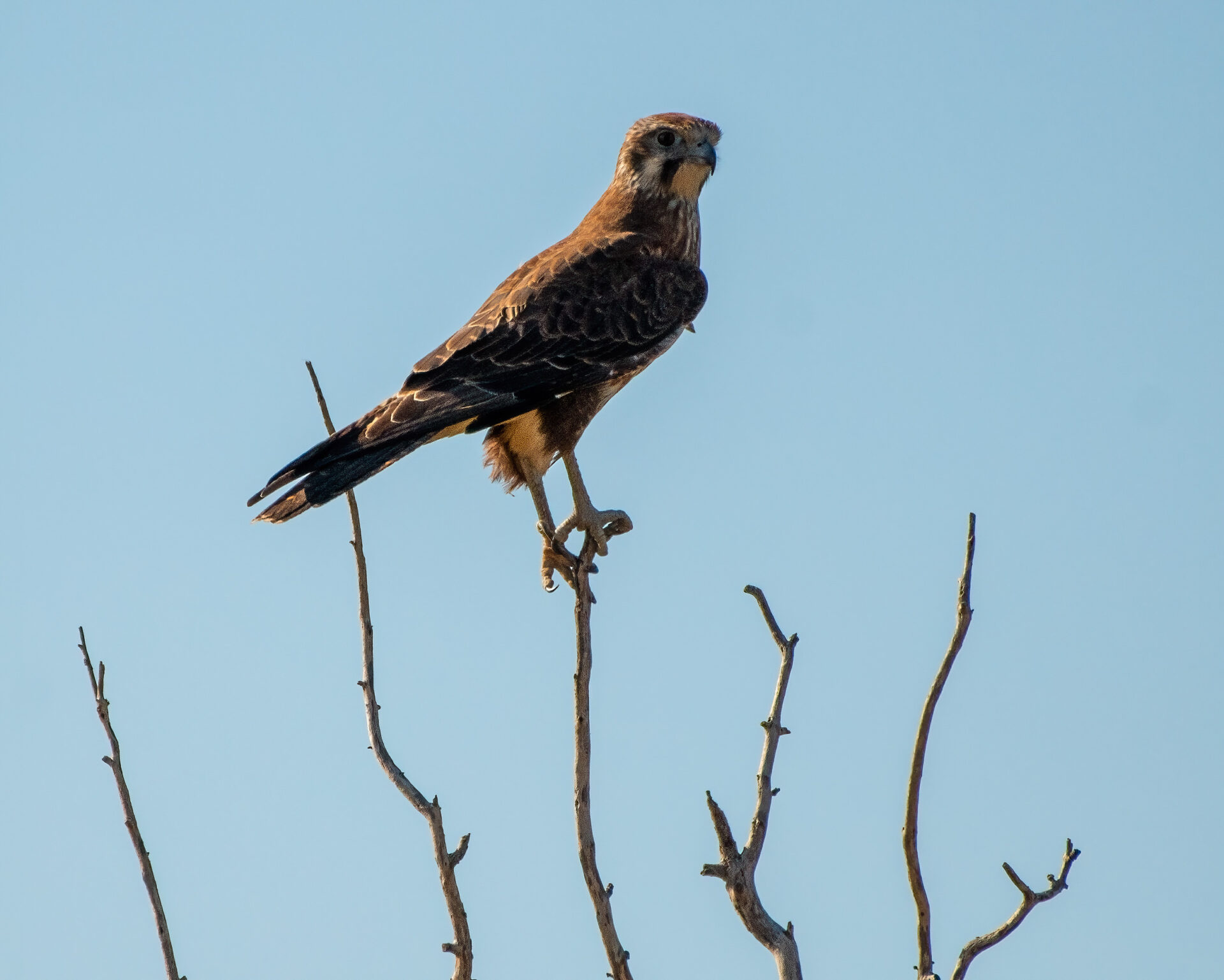
Why the Upper Burdekin wind farm is a disaster for threatened species.
Where:
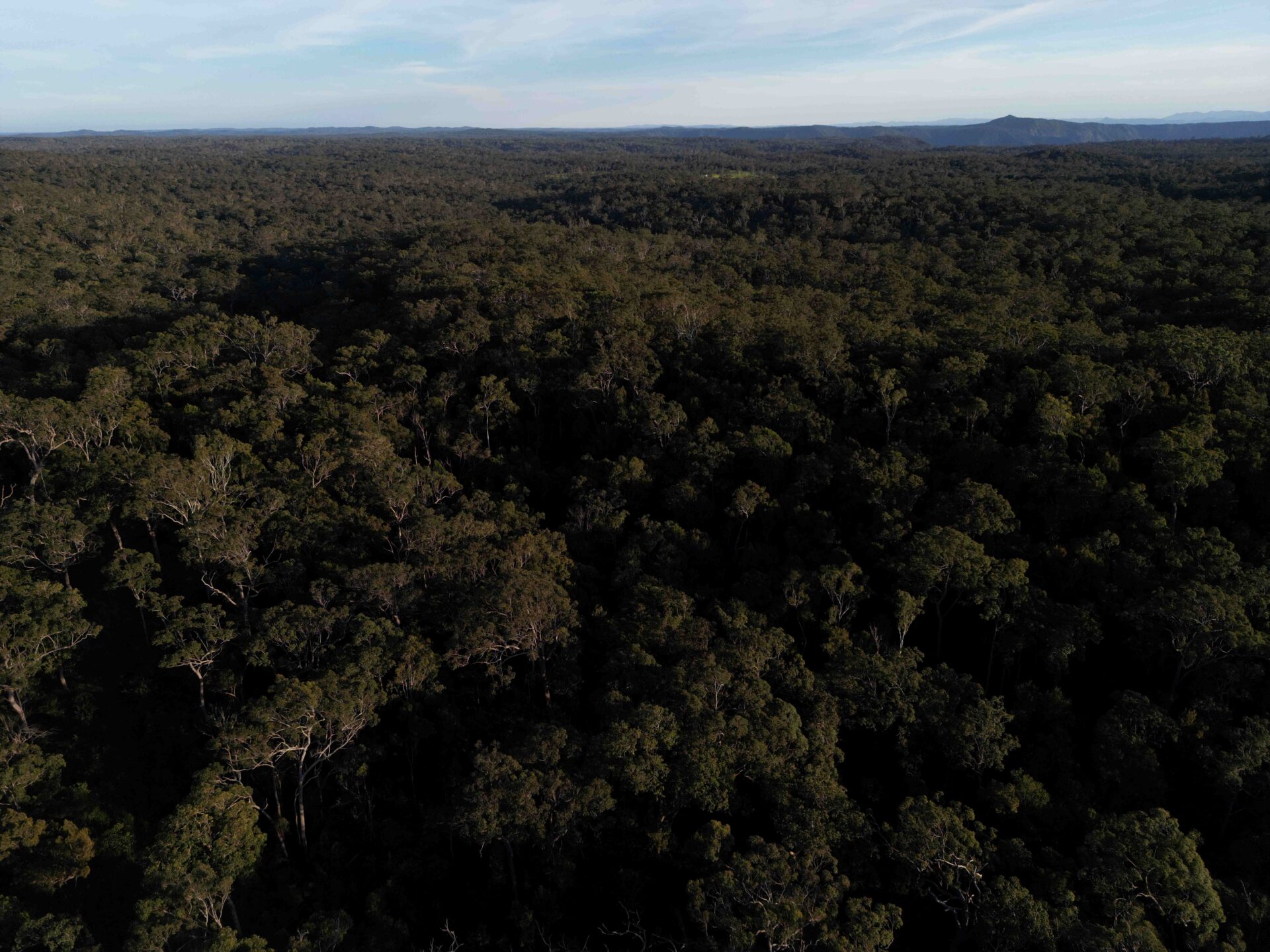
Seaview Range, located 65km southwest of Ingahm, North Queensland. The project area is immediately adjacent to part of Lannercost State Forest and Girringun National Park (Mount Fox section) and approximately 650 m from the Girringun National Park.
The closest part of the wind farm is located only 5 km to the west of the Wet Tropics World Heritage Area (WTWHA).
There was no proper community consultation for Upper Burdekin wind farm.
What:
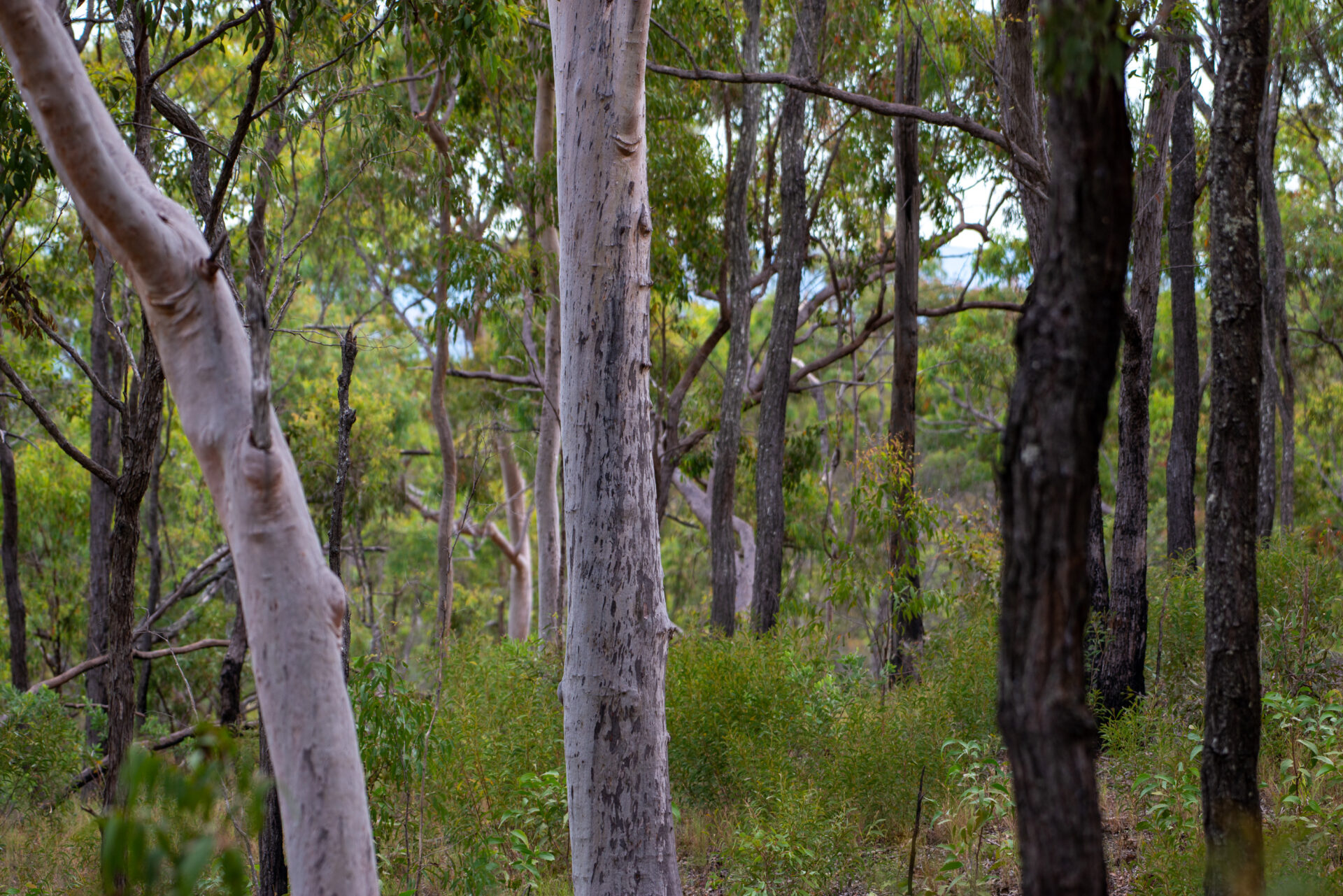
A 69 wind-turbine wind farm is to be constructed by proponent Windlab, which is 75 per cent owned by Andrew “Twiggy” Forrest’s Squadron Energy. The landscape to be destroyed is ancient, remnant, intact forest, strewn with massive granite boulders and rocky outcrops, that has formed over millennia.
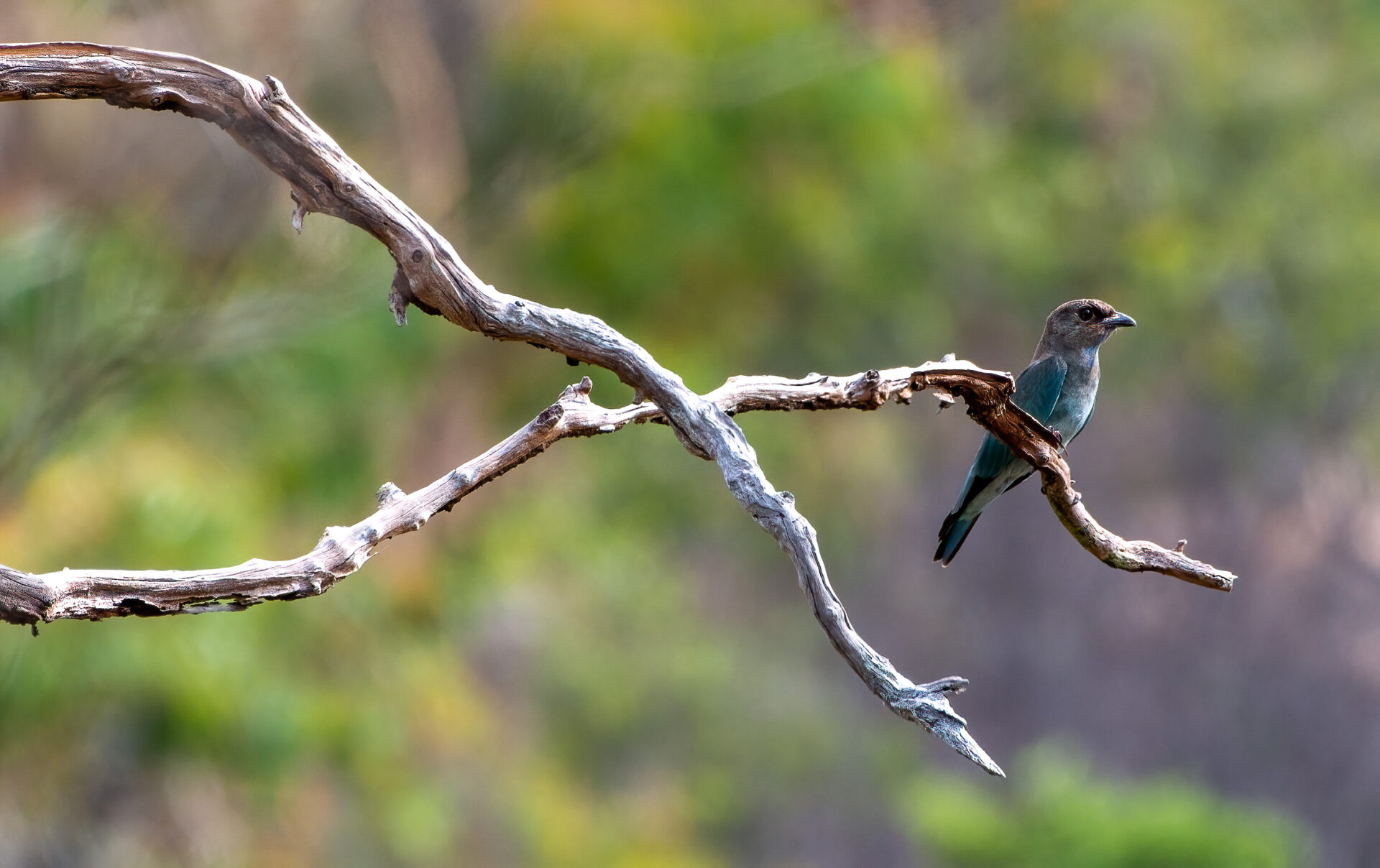
An unusually high amount of threatened species are confirmed these ancient forests, ranging from Sharman’s Rock Wallabies, Koalas and Northern Greater Gliders, amphibians such as Magnificent Broodfrogs, to remarkable birdlife such as Red Goshawks, Northern Masked Owls and Eastern Ospreys. The diversity of batlife here is incredible and includes threatened Bare-rumped Sheathtailed Bats and Spectacled Flying Foxes. Many other species of microbat live here too.
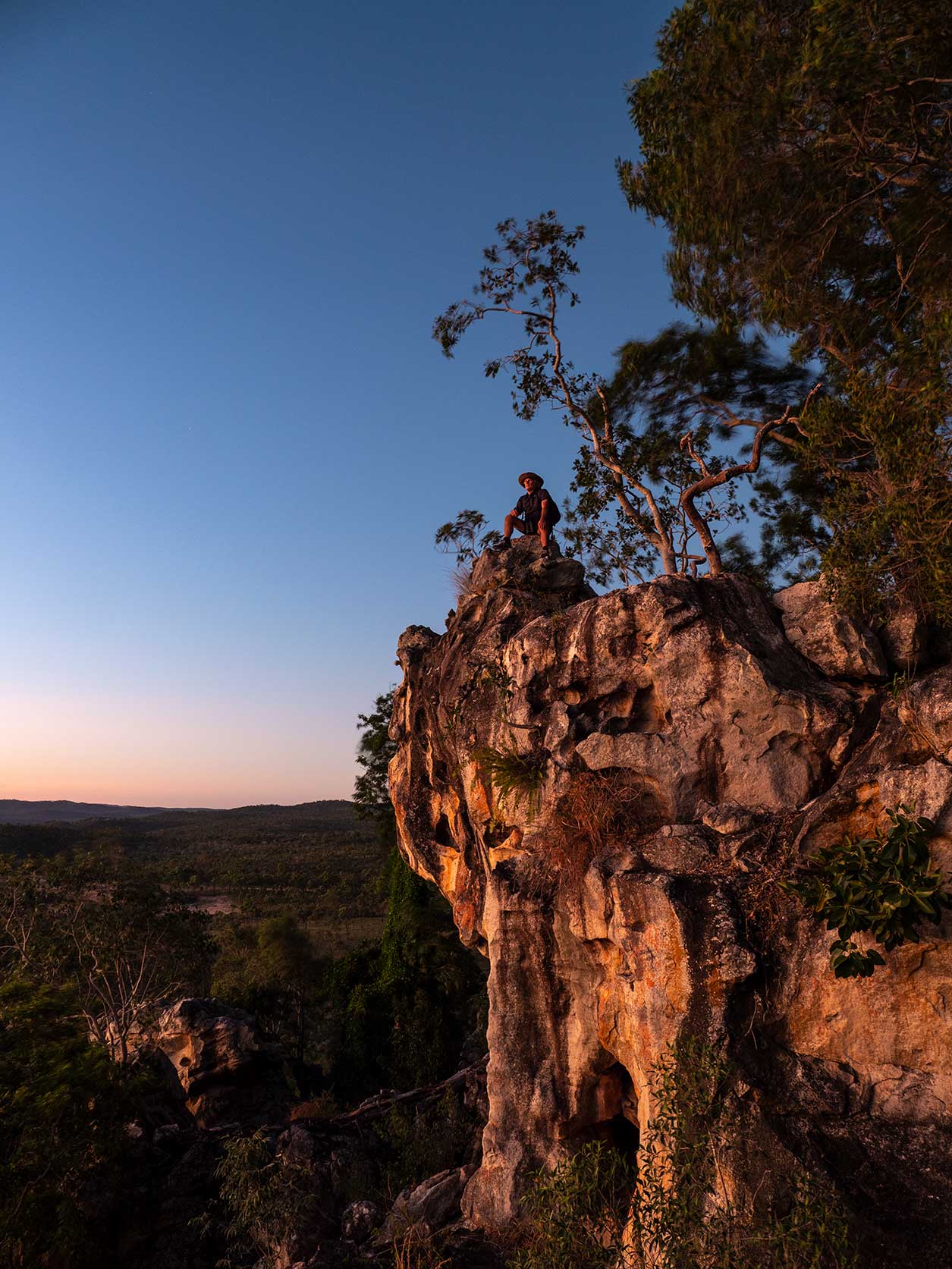
Since colonisation, very few people have accessed the high elevation, remote and unprotected landscapes of the Seaview Range. And little is scientifically known about some of the threatened species observed. These landscapes are difficult to access, and have historically been left alone due to their steep terrain.
Threatened species confirmed to live here:
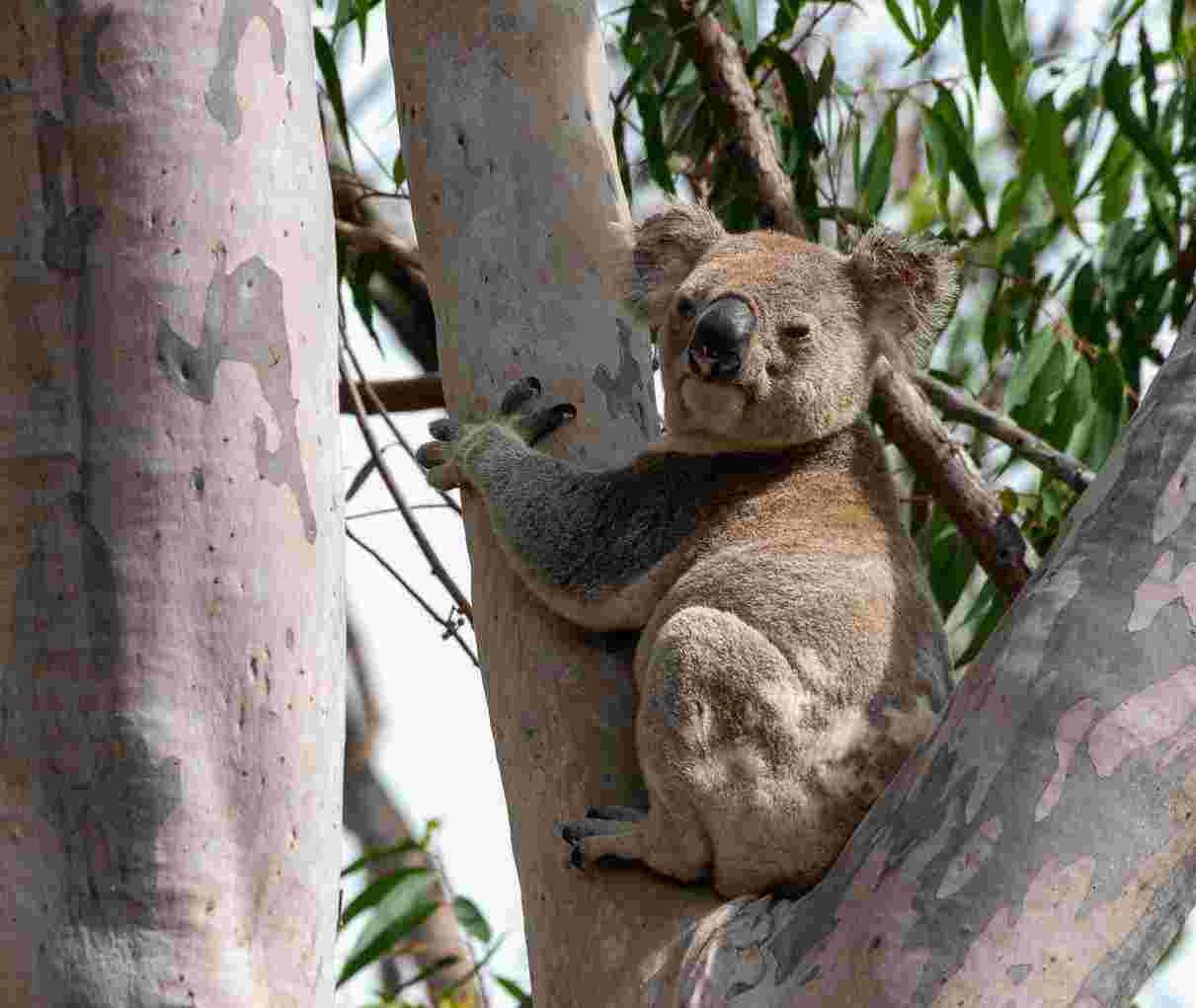
Endangered Koalas are widely distributed across the project area. They were seen 21 times during field surveys through spotlighting, acoustic recorders and remote camera surveys. The Koalas observed were in healthy condition. Female Koalas with joeys were seen 3 times. This is an active breeding population. Koalas will lose 614 ha of their habitat if the project is approved.
Based on the number of Koalas seen that are actively breeding, it’s likely the project area contains an important population of Koalas. The population is likely a key source population for breeding or dispersal, and large enough for maintaining genetic diversity.
The wind farm site is habitat for an important population, and the species was observed to be actively breeding, it is considered to contain habitat critical to the survival of the Koala.
They will lose up to 614 ha of habitat.
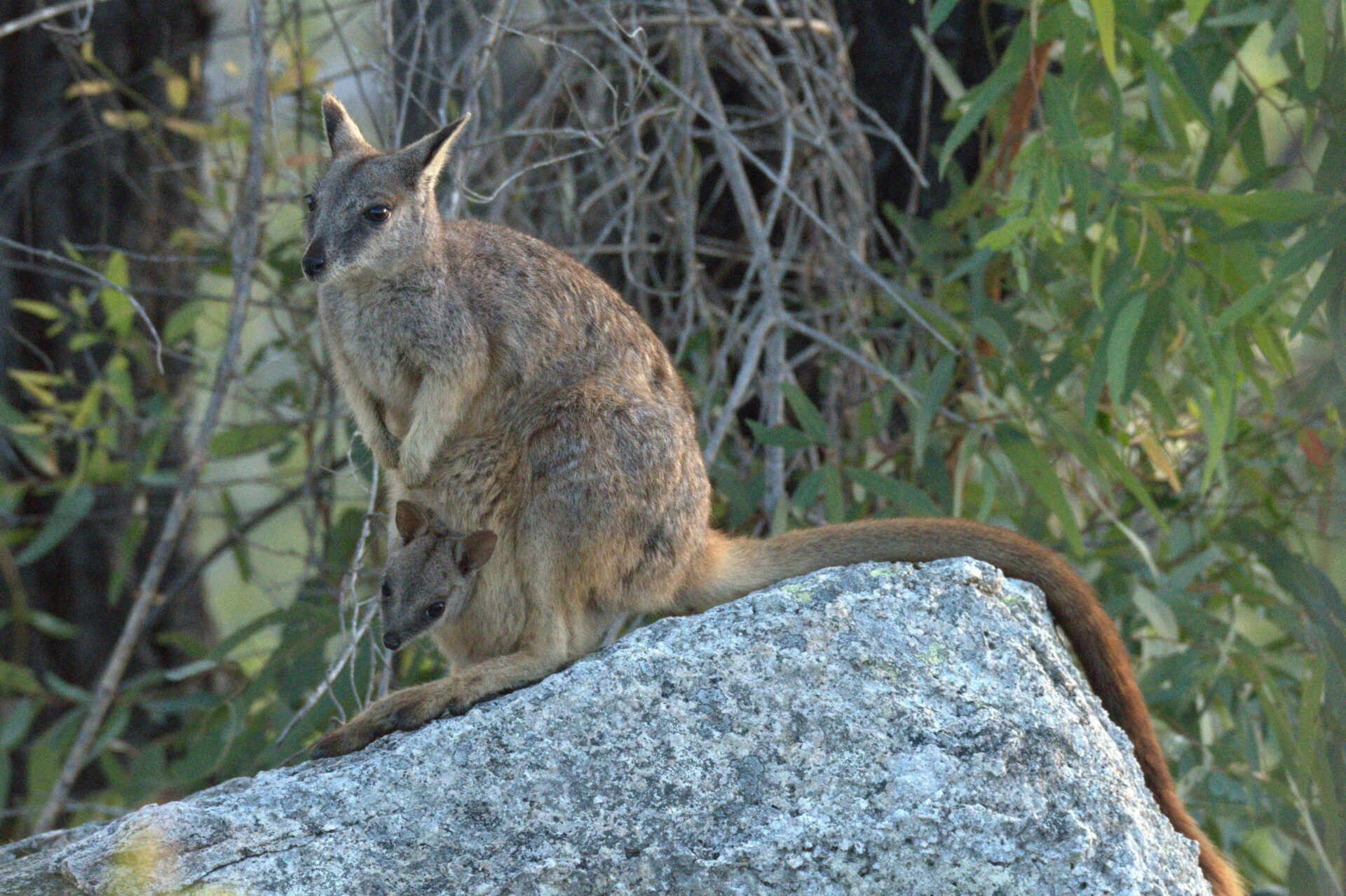
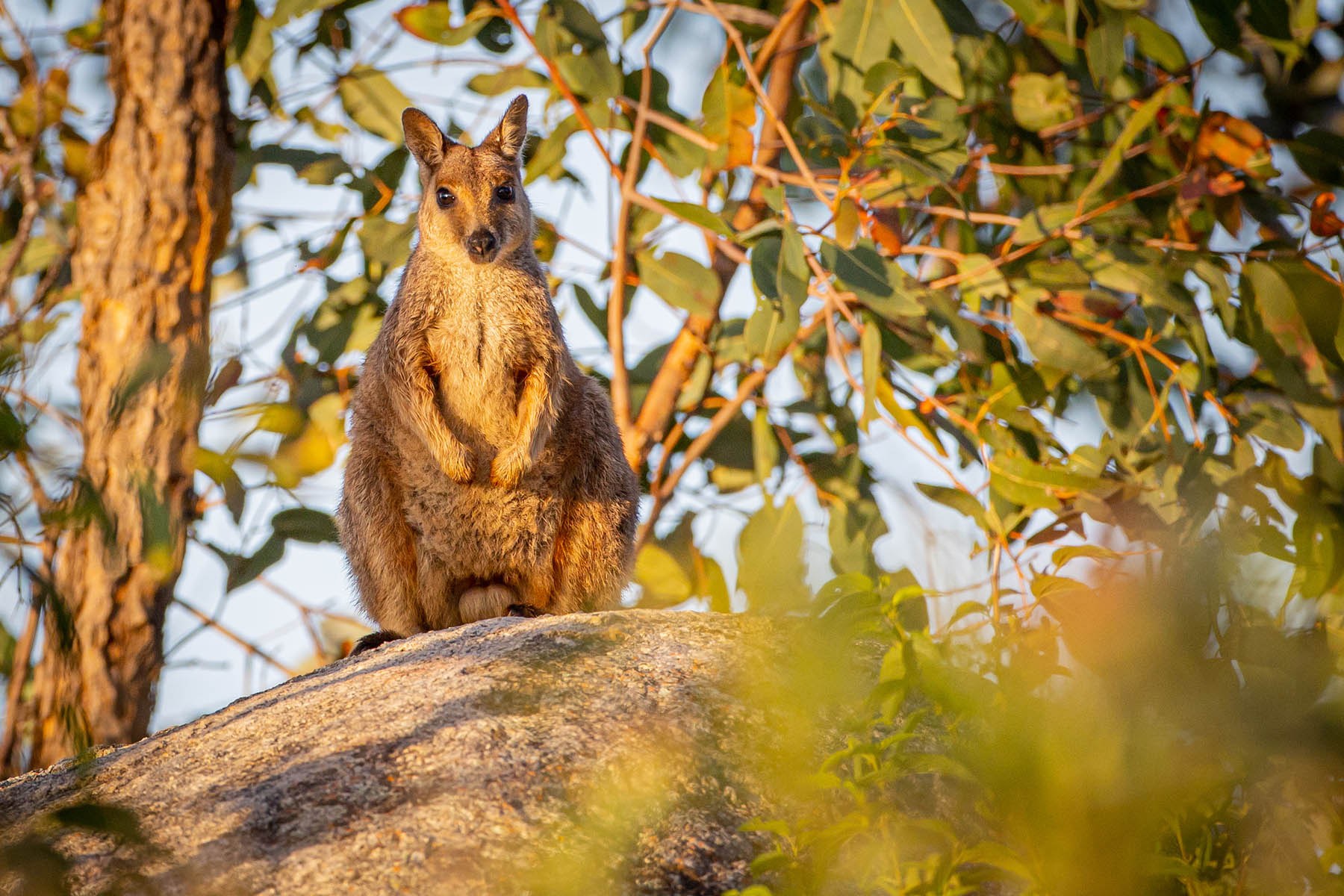
Vulnerable Sharman’s rock wallabies were spotted numerous times during ecological surveys. These beautiful, delicate wallabies have a tiny range of less than 200,00 ha, and inhabit only the Seaview and Coane Ranges, west of Ingham in North East QLD. They will lose up to 605.3 ha of precious habitat for the wind farm.
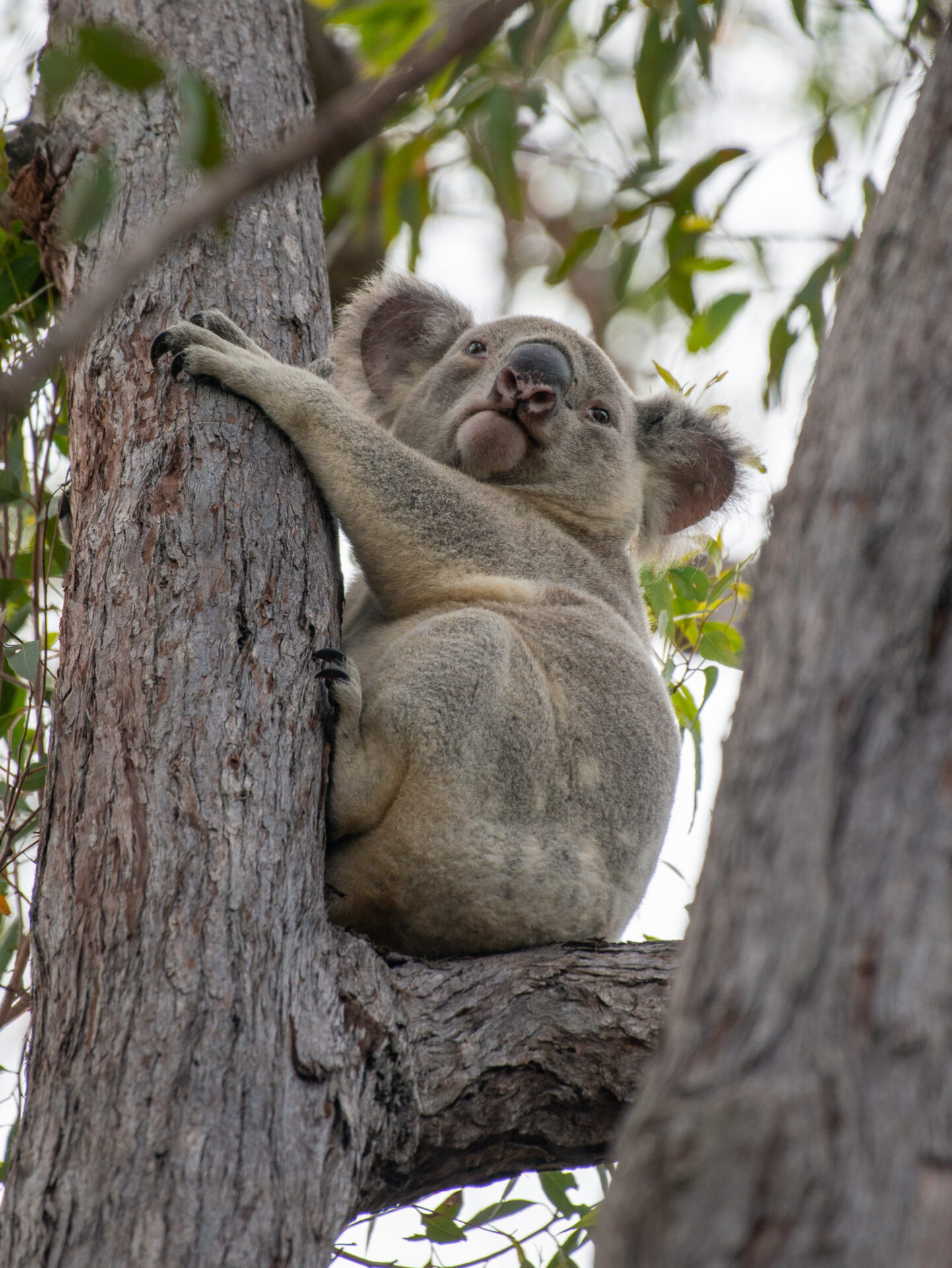
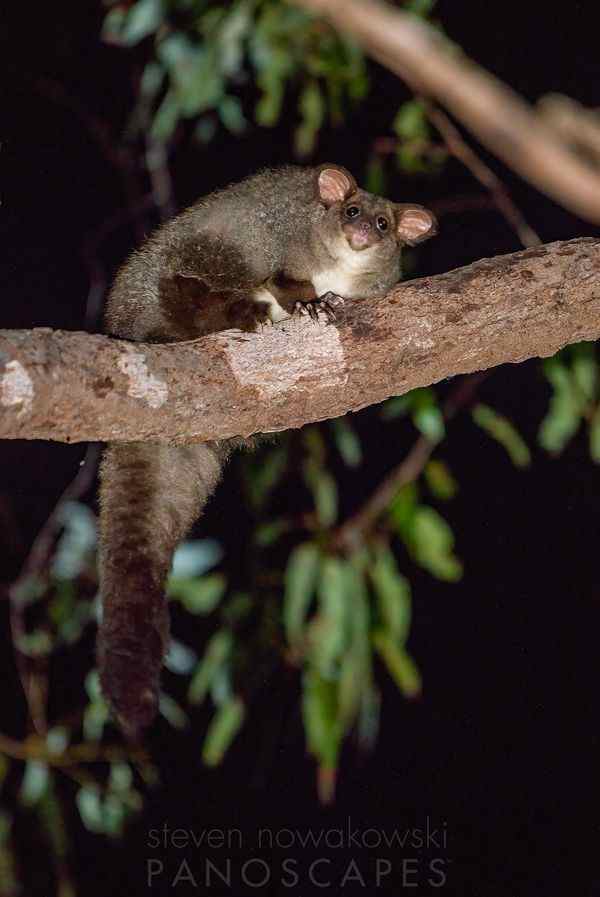
Vulnerable Northern Greater Gliders live across the entire wind farm area, and were seen 23 times by ecologists. The population in the project area is between two larger centres of occurrence in the Herbert River region to the north and the Mount Zero region in the south.
The population of Northern Greater Gliders that live in the wind farm site is likely important due to it’s abundance and habitat, and its location between two larger centres of occurrence. The project area likely supports a source population for breeding and dispersal.
The intact remnant nature of the species habitat and presence of mature hollow-bearing trees, habitat critical for the survival of the species is likely to be present within the project area.
They will lose up to a total of 581 ha of habitat including 331 ha of denning habitat and 250 ha of foraging habitat.
Vulnerable Bare Rumped Sheathtail Bats will be impacted by the development footprint which will result in the removal of 656 ha of foraging habitat. They are classed in the PER as “Moderate risk” of turbine strike. They will lose 545 ha of important habitat.
Endangered Greater Large-Eared Horseshoe Bats inhabit the wind farm site, and the existence of this population and it’s habitat is critical the survival of this species. They will lose 546 ha of Greater Large-eared Horseshoe Bat roosting habitat as well as aerial habitat.
Endangered Spectacled Flying Foxes were seen here – 2 were recorded at two locations within the project area during the 2019 field survey, where foraging was observed on Burdekin plums and fig trees, both of which are scattered across the entire wind farm area. They will lose up to 614 ha of foraging habitat as well as aerial habitat from wind turbines.
Vulnerable Grey-headed Flying-Foxes have not been recorded in the project area, however there is the potential for them to fly through and forage onsite, given the presence of an isolated camp near Ingham. They will lose up to 614 ha of Grey-headed Flying-Fox foraging habitat, as well as lose aerial space to wind turbines once operational.
Endangered Red Goshawks – the rarest raptor in Australia, have been spotted during Ecological Surveys. The species was assessed as “moderate risk” of turbine strike. That this extremely cryptic raptor was seen at all is a national event, however considering the observations were made for the sake of turning it’s critical habitat into a wind farm means it doesn’t make the news.
It is estimated only 1,400 individuals exist in the wild, with only 35-40 breeding pairs estimated to exist
in North Queensland. Unfortunately, this wasn’t enough to stop the Upper Burdekin wind farm from gaining approval.
They will lose 616 ha of habitat, including 331 ha of breeding habitat, and 285 ha of foraging habitat, as well as aerial habitat that the entire wind farm will occupy once constructed.
Vulnerable Northern Masked Owls are a cryptic species and little is know about them. However they were seen twice, once within and once adjacent to project area. The species was also detected at three acoustic recorder sites. They will lose up to 581 ha of habitat for the intermittent wind farm.
Migratory Fork Tailed Swifts were recorded during March 2022 surveys. The species was assessed as “moderate” risk of turbine collision. We know from experience that Fork Tailed Swifts are probe to turbine strike, as they have already been killed at Kaban and Mount Emerald wind farms in Far North QLD.
Vulnerable White-throated Needletails will lose 614 ha of habitat as well as aerial habitat.
Migratory Fork-tailed Swifts will lose 614 ha as well aerial habitat.
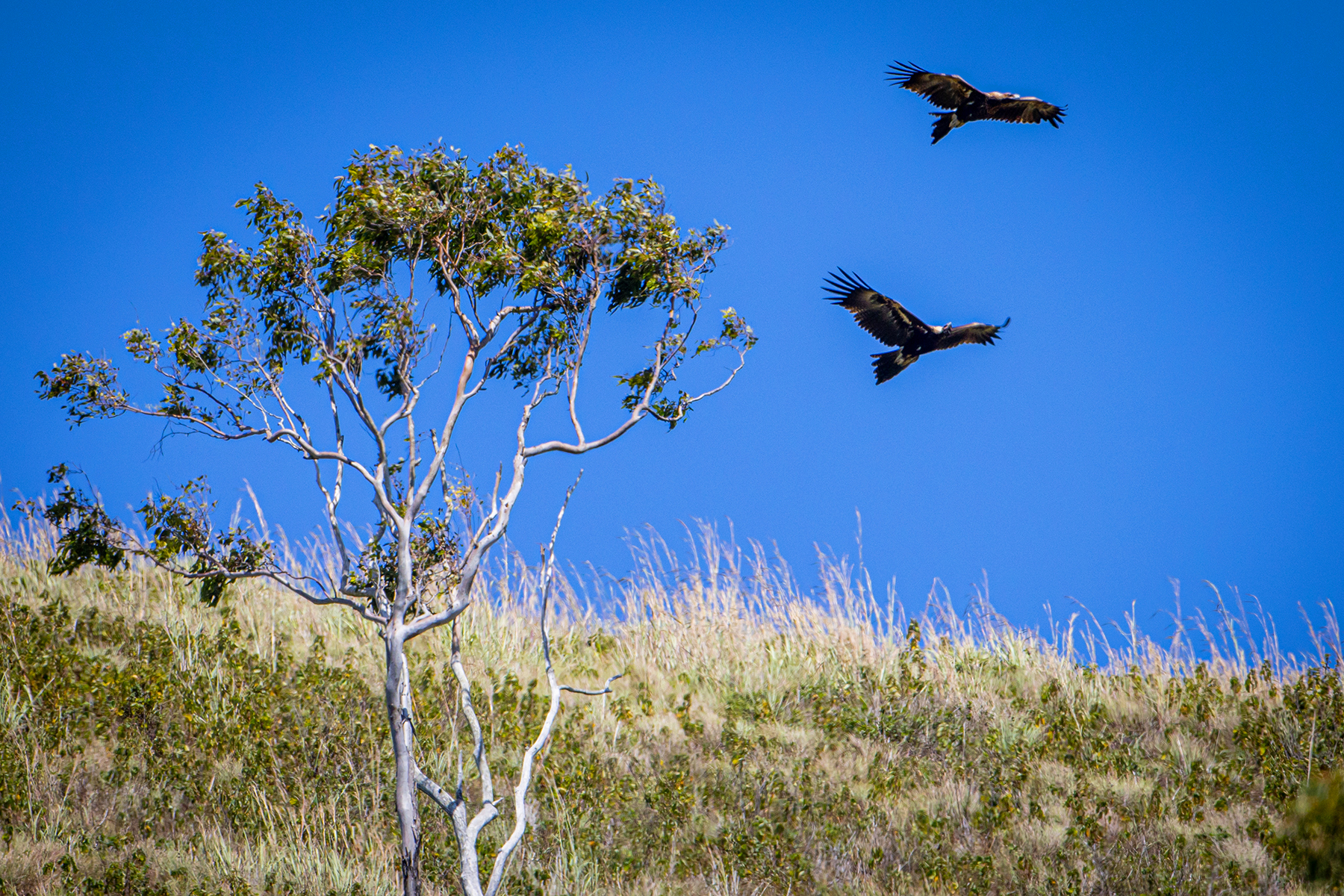
Below: Two Wedge-tailed Eagles soaring near the wind farm site, North QLD.
WE SAY: It’s time to call-in the most destructive wind farm set for Australian habitat. Once lost, this precious landscape and it’s inhabitants cannot truly be restored.
Go deeper
Aerial Impacts
The cumulative impact of so many wind turbines on aerial species, colonising the sky in this region of North Queensland, will lead to gradual depletion of birds, bats and raptors, including threatened species. The proposed Karma wind development (88 wind turbines), Mount Fox Energy Park development (57 wind turbines) and Hidden Valley wind farms are in proximity.
Light pollution and visual amenity impacts
The brightness of lights from wind turbines can far exceed that of the brightest stars, and the visual range of wind farms at night is generally larger than at daytime. The Upper Burdekin wind farm may impact visitors who are camping nearby within the Wet Tropics World Heritage Area – not a pleasurable experience for international eco-tourists or locals.
Clearing forests leads to less rainfall
The cumulative impact of clearing and fragmentation of forest for so many wind farms in the area including the proposed Karma wind development (88 wind turbines), Mount Fox Energy Park development (57 wind turbines) and Hidden Valley wind farms will impact the rain cycle. Clearing forests leads to less rain . We need to keep forests in the ground, not clear them for wind farms!
Potential effects of noise pollution from wind turbines on wildlife
Wind turbines are, according to some research, having a negative impact on species who inhabit the areas around them. Wind turbines have been found to repel birdlife and mammals. The sound of spinning turbines can impact the call of songbirds. Siting a vast wind farm in the high biodiverse landscape of the Seaview Range, home to so many threatened species, is a disastrous decision that will have negative impacts on species who live here.
Sound ‘footprint’ not considered
This is a vast industrial scale wind farm by any estimation and failure to mention the sound footprint impacts on wildlife of the operational wind farm is a grave oversight. Impacts of infrasound from spinning turbines on Australian wildlife is uncertain and no science has been done in Australia on this. However, it appears from preliminary research conducted by biologist Roger Martin in FNQ that Koala mating calls may be masked by the noise of spinning turbines and that the noise of wind turbines in general may repel them from an area.
Feral species and weed incursions inevitable once land is destroyed
Once intact forests are cleared, weeds will start growing. They will be virtually impossible to remove in a development of this scale. Clearing new roads into this landscape will give free range for other feral pests to gain a foothold and harm native wildlife, such as pigs, cats and wild dogs.
Bats, our remarkable pollinators, will undoubtedly die in high numbers
Bats hold their own significant place in our ecosystem. They are key pollinators and control insect populations. They will likely be killed by the hundreds, if not thousands by the wind turbines. They can die horrific deaths from turbine strike or barotrauma. See what we discovered at Kaban wind farm in FNQ here: https://youtu.be/MYI1uchuQtg?si=p3YtRzkSEtJNzldq
We are extremely concerned that even species that are not technically threatened will become so once this wind farm and the other industrial scale wind farms in proximity become operational. The impact to avian life overall is an alarming prospect and once the turbines commence spinning, damage will be very difficult to reverse.
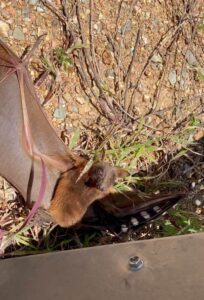
Above: Injured Little Red Flying Fox found underneath a turbine at Kaban wind farm FNQ. Due to the horrific extent of its injuries it had to be euthanised.
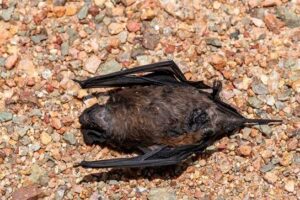
Above: dead Northern Freetail bat found underneath a turbine at Kaban wind farm.